The Ultimate Guide to Efficient Dumpster Loading
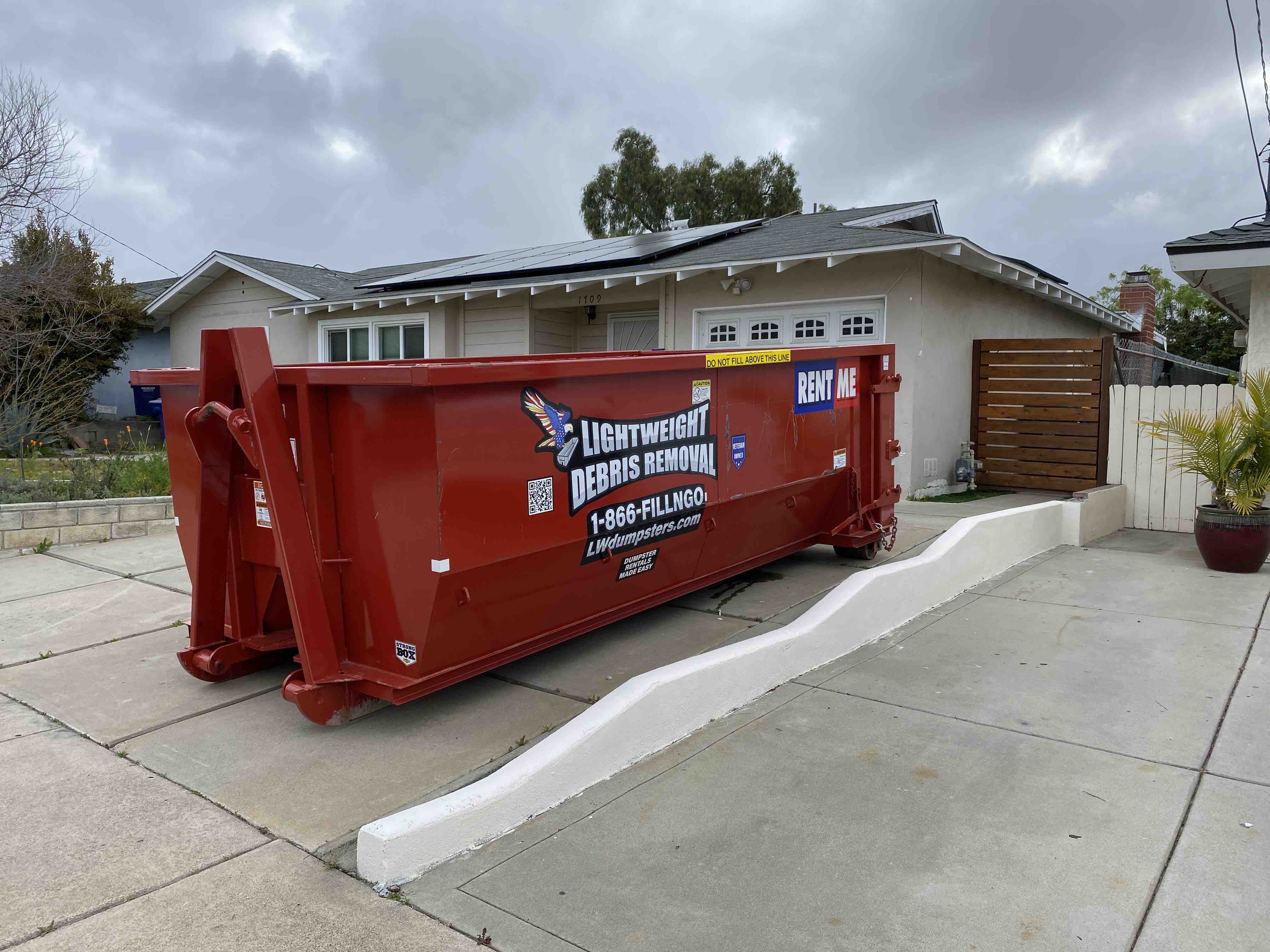
Whether tackling a renovation, cleanup, or building project, loading a dumpster might appear simple. In reality, the placement of materials plays a key role in space use, job safety, and overall efficiency. Most people don’t realize how much strategy goes into correct dumpster loading, which can cause space loss, safety hazards, and unnecessary project delays.
At Lightweight Debris Removal, we highlight that the way you load a dumpster matters as much as picking the right size. By staying organized, you can make the most of your dumpster and keep operations safe and smooth. Our aim is to help customers gain the most from their rentals by teaching proper loading techniques that reduce mess, prevent breakage, and simplify disposal.
Planning Before You Start Loading
Before filling the dumpster, taking time to organize is essential. Assess your waste materials to determine what can be recycled or requires specific disposal. Sorting ahead of time promotes a smooth workflow and limits the need for reorganization later. It also makes handling safer by isolating hazardous or sharp materials.
Planning how items will be loaded is another critical step. Place heavier or bulkier items first to form a solid base. Then add lighter or smaller debris to fill remaining gaps. Smart preparation reduces the risk of load shifting or tipping during pickup. Strategic organization leads to safer, faster, and more effective loading results.
Using Space Efficiently
Getting the most out of your dumpster starts with space efficiency. Disassemble big items—like cabinets or couches—before loading them. Crushing or flattening materials helps create more usable space. This lets you load more effectively and maintain even weight distribution.
You can also use a layering technique for smarter space allocation. Use sturdy flat pieces as a bottom layer. Add lighter debris in between to fill open spaces. Do not overfill or stack above the container rim to prevent hazards. Smart layering boosts capacity and promotes a safer cleanup process.
Ensuring Safety While Loading a Dumpster
Safety should be at the forefront during every loading task. Always wear gloves, closed-toe shoes, and suitable protective clothing. Make sure your workspace is clear of debris or uneven ground before lifting. Being aware of your surroundings supports a safer environment for everyone involved.
Refrain from throwing objects into the dumpster carelessly, since this could result in shifting, accidents, or property harm. Instead, place objects deliberately and with control. Seek help when lifting oversized objects to prevent strain or accidents. Prioritizing safety not only protects workers but keeps operations steady and efficient.
Efficiently Sorting and Arranging Materials
Sorting materials before and during dumpster loading is one of the best ways to maintain order. Separate different materials like wood, metal, and household refuse for easier management. Doing so not only streamlines the loading phase but also simplifies unloading and proper disposal. You’ll also easily spot recyclable materials, reducing waste and encouraging sustainable habits.
Proper organization eliminates the hassle of moving things around later. Put crushable or soft items like cardboard near the top, keeping sturdier ones underneath. By organizing weight properly, the dumpster remains secure and tidy. Being organized saves time and creates a smoother, more professional workflow from start to finish.
Protecting Your Property During Dumpster Use
While dumpsters are sturdy, the surfaces they rest on can be fragile. Placing wooden planks or similar barriers underneath distributes weight and prevents surface damage. This easy precaution helps maintain the integrity of your property during the project.
Placement also plays a crucial role in preventing property damage. Opt for a stable, easy-to-reach area that won’t obstruct entryways or paths. Avoid positioning the dumpster too close to structures or landscaping features that could be damaged. Proper planning and setup promote a damage-free and stress-free project environment.
Maximizing Efficiency for Large Projects
Handling large projects often means managing continuous waste flow. Creating a staging area where waste is sorted before reaching the dumpster can streamline loading. It promotes even weight distribution and reduces inefficiencies mid-project.
Strong collaboration and clear direction make the process more effective. Give each worker defined roles like lifting, sorting, or compressing waste. Clear roles prevent confusion and keep the process flowing efficiently. Planning and cooperation are vital for completing big projects without unnecessary setbacks.
Understanding Restricted Dumpster Items
Not all waste materials belong in a standard dumpster, and knowing what’s restricted is vital. Materials like paints, batteries, and chemicals require special disposal methods. Placing these inside a dumpster may cause environmental harm or disposal complications. Verify acceptable items beforehand to avoid penalties or issues.
Do not overfill or overload the dumpster to maintain safety. An overfilled dumpster can create handling issues and pose transport hazards. By following proper load limits, you support responsible waste management. Keeping within restrictions prevents delays and complications at pickup time.
Working with a Trusted Dumpster Service
Collaborating with a dependable provider makes any cleanup smoother and more efficient. Lightweight Debris Removal delivers dependable and professional dumpster solutions to simplify cleanup for any project. From drop-off to collection, our team ensures a seamless and worry-free rental experience.
Opting for a company that values service quality improves every project step. Clear communication, reliability, and efficiency are what make a project succeed. Lightweight Debris Removal remains committed to supporting customers in achieving clean, safe, and efficient waste solutions.
Creating an Organized and Productive Worksite
Efficient dumpster loading directly impacts overall project productivity. A tidy site helps teams focus on tasks without unnecessary clutter or confusion. Using effective organization turns cleanup into a natural step in the process.
Lightweight Debris Removal encourages clients to see dumpster use as more than just disposal. It’s a chance to boost safety, save time, and protect your surroundings. Through foresight, precision, and teamwork, dumpster loading transforms into here a vital part of success.